On the desk Forty-one openings timed card by card Longest tutorial recorded: two hours eleven minutes
The Tutorial Desk mark The Tutorial DeskFirst thirty minutes
Reviews · Openings

Games judged by the thirty minutes most reviews skip

Everything a player will ever feel about a game is decided before the tutorial ends. This publication times those minutes, counts what is explained, counts what is withheld, and reports how long it took before we were genuinely competent.

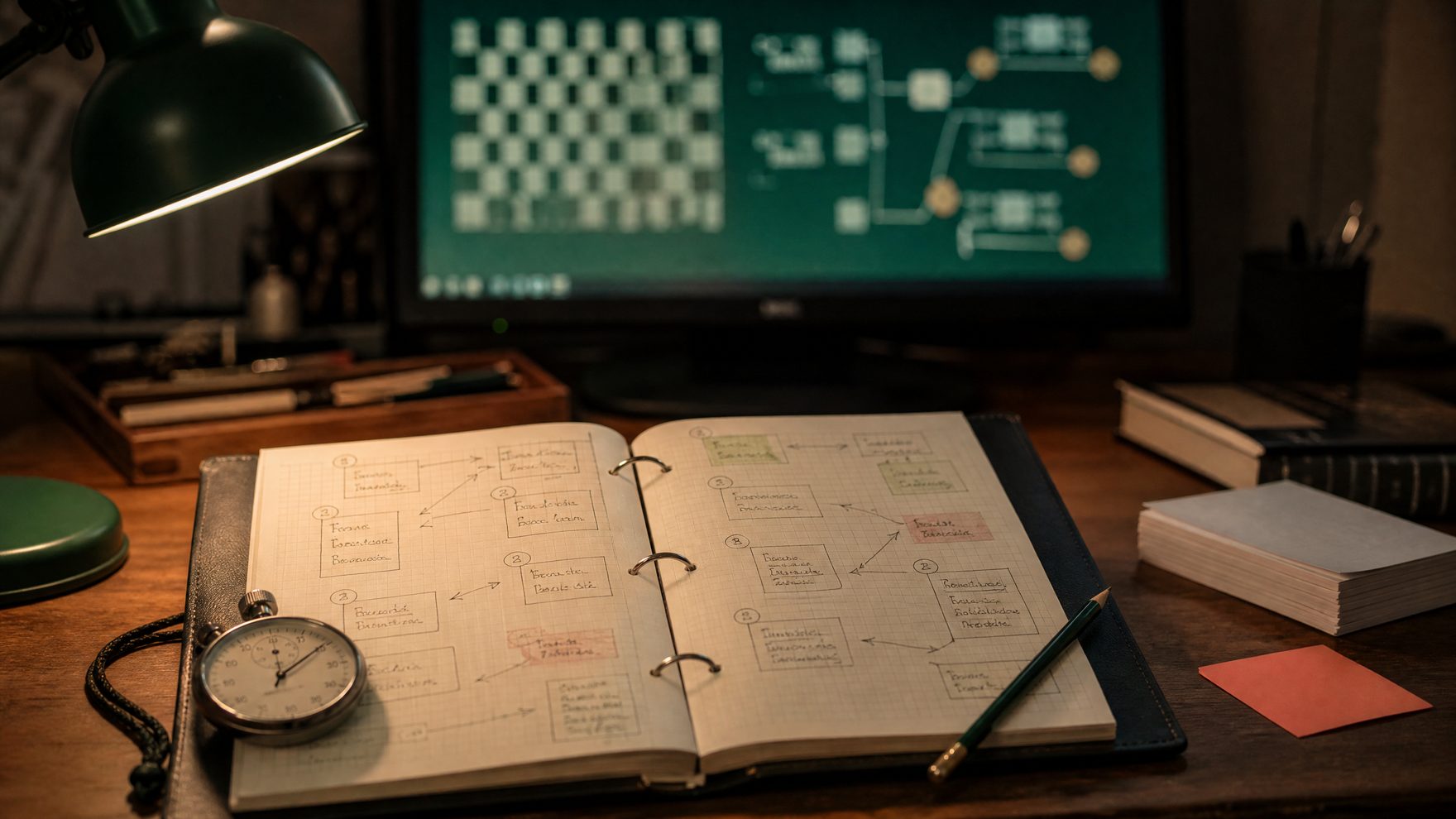
A desk set up for studying a game's opening, with an open notebook of numbered boxes and arrows, a stopwatch, index cards and a softly glowing monitor behind
41 openings Timed and transcribed
41Openings studied
2h 11mLongest tutorial
9 minMedian to first real choice
7 of 41Teach without text
Latest reviews

Six games and the way each one hands over its rules

Every review covers the whole game and then examines its opening in detail: what it explains, what it demonstrates, what it lets you get wrong, and how long the game waits before trusting you.

The procedure

Every opening is transcribed onto index cards before a word is written

An opening cannot be judged from memory, because the feeling of being confused fades faster than almost anything else in games. So it is recorded as it happens, in order, one card per instruction.

01

Cold start, stopwatch running

First launch on a clean installation with no prior knowledge of the game beyond its genre. The clock starts at the first interactive moment and does not stop for cutscenes, since a player's patience does not stop either.

02

One card per instruction

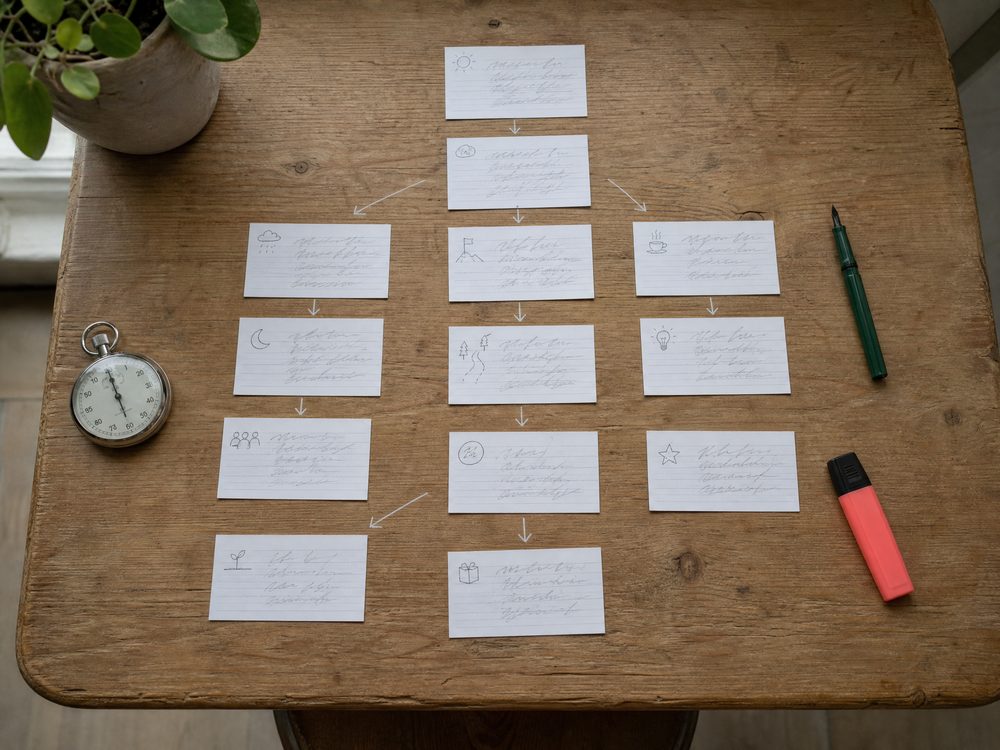
Every distinct thing the game tells or shows you gets a card, marked as told, shown or discovered. The cards are laid out in sequence afterwards, which makes redundancy and bad ordering immediately visible.

03

Three timings recorded

Time to first meaningful choice, time to first permitted mistake, and time to competence — the point at which we could act without consulting anything. The third is the figure that predicts everything else.

04

Retention check at ten hours

Every rule the opening taught is re-tested much later. Rules explained before they were needed are usually gone, and this check is how we know that front-loading fails rather than merely feeling tedious.

A table covered with index cards arranged in a branching sequence, each carrying a pencil note and a small icon, with a stopwatch and pens
What the cards show

Told, shown, discovered — and why the proportions decide everything

Sorting forty-one openings into those three categories produced the clearest pattern we have found. The games that endure in the memory are the ones that showed rather than told, and the ones that exhausted us front-loaded text.

  • ToldA panel, a line of dialogue or a prompt states a rule. Cheap to make, quickly forgotten.
  • ShownThe situation demonstrates the rule without stating it. Expensive to design, almost never forgotten.
  • DiscoveredThe player works it out, usually by failing. Slowest, riskiest, and the most durable of the three.
  • The ratioSeven of forty-one openings are more shown than told. All seven are games we would replay.

What the score means, and what the opening grade means beside it

The number reviews the whole game. The opening grade is a separate judgement printed next to it, because a great game can begin badly and frequently does — two of the highest-scoring games in this file have openings we would not defend.

  • ShownRules demonstrated, not stated
  • DiscoveredLearned by permitted failure
  • MixedGood instincts, wrong order
  • ToldPanels ahead of need
  • WithheldNever taught at all
From readers

Three findings that changed the procedure

There is no correspondence page here. Readers repeat these timings on their own installations and publish what they find, and three of those results have altered how the work is done.

Your retention check at ten hours is the only part of this I doubted, so I ran it on four games I know well. You are right. I could not restate half of what I had been told in the first hour.

On the grading pagePosted publicly with results

Timing from the first interactive moment rather than from the main menu is the correct call. I had been measuring from the menu and getting numbers that flattered every game with a long intro.

Repeating the opening timingsMethod described in full

The told-shown-discovered split gave me language for something I had felt for years without being able to name. I now use the cards on games before I write about them.